

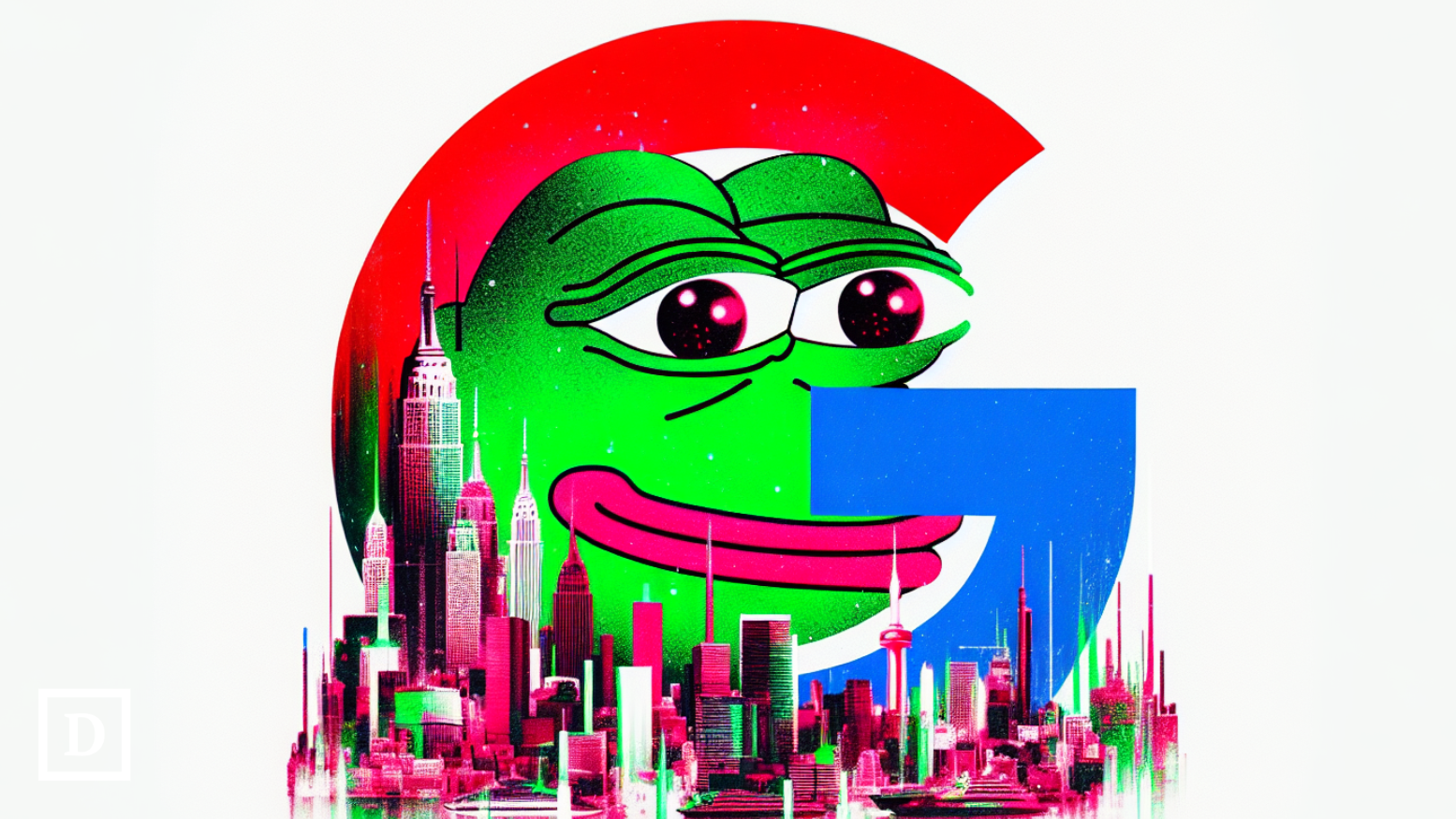
Google is testing a brand new Layer 1 known as GCUL, pitching it as a versatile, Python-compatible blockchain for monetary establishments.
Google is increasing its presence within the blockchain area with the Google Cloud Common Ledger — or simply GCUL — which it pitches as a Layer 1 community with a concentrate on monetary establishments.
In a Wednesday LinkedIn put up, Wealthy Widmann, head of technique for Web3 at Google, framed GCUL as a technique to keep away from the conflicts that may come up with blockchains backed by opponents.
“Tether will not use Circle’s blockchain – and Adyen most likely will not use Stripe’s blockchain. However any monetary establishment can construct with GCUL,” he wrote within the put up.
In line with Widmann, the Common Ledger brings collectively “years of R&D at Google to offer monetary establishments with a novel Layer 1 that’s performant, credibly impartial and allows Python-based sensible contracts,” though he didn’t make clear whether or not the community itself can even run on Python.
Crowded Area
Google isn’t the primary to push for simpler sensible contract growth. Solidity has lengthy been identified for its difficult syntax and potential for pricey bugs, which is why Ethereum as soon as tried Serpent, a Python-like language that was rapidly retired resulting from safety and compiler points.
Vyper nonetheless exists as a leaner, safer various, but it surely by no means actually dented Solidity’s dominance. Exterior Ethereum, Solana makes use of Rust, Algorand has PyTEAL, which is a Pythonic library that generates TEAL code, and Tezos gives SmartPy, a Python-style framework.
In its weblog put up, Google Cloud mentioned that establishments will have the ability to join by a single API and pay fastened month-to-month charges, moderately than coping with fluctuating gasoline prices.
There aren’t many technical particulars but, and Widmann mentioned the community will likely be examined privately at first, so common customers gained’t get an early look.
Some huge gamers are already on board. CME Group mentioned again in March that it’s working with Google to check GCUL for “seamless and safe wholesale funds and tokenization of property.” It’s anticipated that CME will launch new providers primarily based on GCUL in 2026.

